Bimbo Ademoye’s Copyright Dispute Reveals a Risk in Nollywood’s YouTube Boom
The actress has regained the ability to earn money from her film, My 30th Wedding, after a copyright dispute involving its soundtrack. But the incident raises questions about how easily filmmakers can lose access to their YouTube earnings.
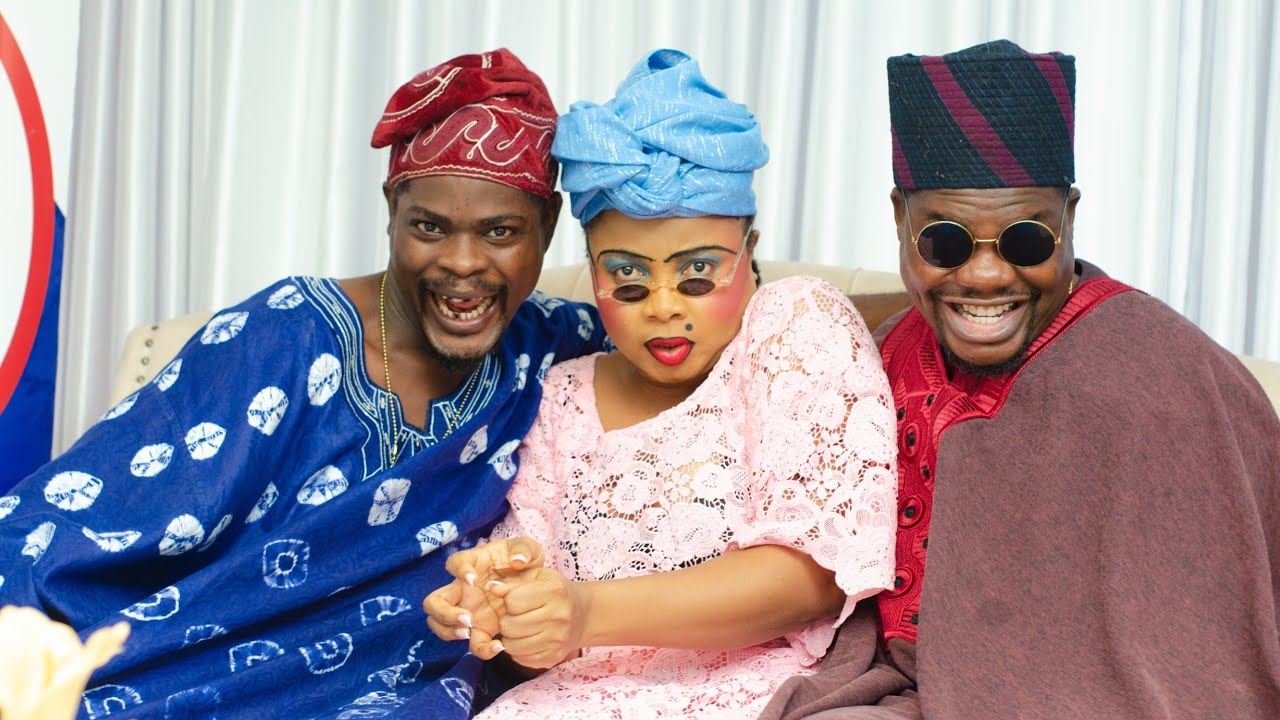
Nollywood actress and filmmaker Bimbo Ademoye has resolved a copyright dispute that temporarily stopped her YouTube film, My 30th Wedding, from earning money on the platform.
The film, released on October 1, 2026, has attracted approximately 29 million views. On November 9, Ademoye revealed that someone had claimed ownership of a song used in the production, causing YouTube to restrict her ability to earn advertising revenue from it.
The song, We Can Take It, was produced for the film by Nigerian musician Progress. According to Ademoye, she had paid for the soundtrack and owned the necessary rights to use it. However, another individual had uploaded the song through a music distribution service, which subsequently triggered a copyright claim against her film.
Ademoye publicly expressed frustration over the incident, offering a ₦1 million reward for information about the individual responsible and calling on YouTube to intervene. The man, identified as Mazi Enemuo, later apologised, saying he had uploaded the song to help promote it and did not intend to interfere with the film’s earnings. He also said he had removed the song from streaming platforms and contacted the distributor to resolve the claim.
On November 10, Ademoye announced that her film’s monetisation had been restored, although she rejected his explanation. The dispute has now been resolved, but it highlights a problem that could affect other Nollywood filmmakers who depend on YouTube to earn money from their productions.
How Could Someone Else Claim Ownership of Her Film’s Music?
The dispute involved YouTube’s Content ID system, which helps copyright owners identify when their music, videos or other protected material appears in someone else’s upload. When a copyright owner or an authorised distributor registers a song with Content ID, YouTube can automatically detect that song in videos uploaded to the platform. If the system finds a match, it can place a copyright claim on the video.
Depending on the rights holder’s settings, the claim may prevent the video from being viewed, allow it to remain online while directing advertising earnings to the claimant, or simply track its performance.
The system is designed to protect creators from unauthorised use of their work. But problems can arise when someone registers content they do not actually have the rights to. In Ademoye’s case, the individual who uploaded the soundtrack said the music distribution service he used triggered the claim, so a song originally created for her film became the basis for a copyright claim against the film itself.
Importantly, a Content ID claim does not mean YouTube has legally established that the claimant owns the music. The system identifies matching content, while ownership disputes must be resolved separately.
What Happens to the Money When a Film Gets a Copyright Claim?
Many Nollywood producers now release films directly on YouTube, where they can earn money from advertisements shown before, during or around their videos. For a film attracting millions of views, that revenue can help producers recover their production costs and finance future projects. But what happens when someone files a copyright claim?
According to YouTube’s official guidelines, a creator who disputes a Content ID claim within five days can have the revenue generated during the dispute held separately until the matter is resolved. Once a decision is reached, YouTube pays the money to the party entitled to receive it. If the creator does not dispute the claim within that initial period, held revenue can be released to the claimant. A later dispute can still protect earnings generated from the date it is filed.
| Stage | What YouTube says happens |
|---|---|
| Creator disputes within 5 days of the claim | Revenue is held from the first day the claim was placed |
| Creator disputes after 5 days | Revenue is held from the date the dispute is made |
| Creator does not dispute | After 5 days, held revenue is released to the claimant |
| Claimant responds to an initial dispute | Up to 30 days |
| Claimant responds to an appeal | Up to 7 days |
This means filmmakers who believe a claim is incorrect need to act quickly. In Ademoye’s case, it has not been publicly established whether any advertising revenue was paid to the claimant or how much money, if any, was affected. What is confirmed is that her film temporarily lost its monetisation status before the issue was resolved. For filmmakers, the concern is that even an incorrect claim can create uncertainty over their earnings, particularly when a film is attracting significant attention.
This Is Not the First Time It Has Happened
Ademoye has previously experienced similar problems with her YouTube productions. In January 2026, she raised concerns about a copyright claim involving the soundtrack of her film Where Love Lives. She also reported sound-related copyright issues involving To Be a Friend.
Other Nollywood filmmakers have faced disputes involving films released online. In March 2025, Omoni Oboli’s Love in Every Word was temporarily removed from YouTube following a copyright complaint before eventually returning to the platform.
Although the circumstances of these incidents differ, they show how copyright disputes can interfere with the release, availability or earnings of films distributed online. They also raise questions about the protections available to filmmakers who choose YouTube as their primary distribution platform.
Why Does This Matter for Nollywood?
YouTube has become an important distribution channel for Nigerian films. Rather than relying entirely on cinemas, television stations or streaming platforms to acquire their productions, filmmakers can release films directly to audiences and earn money through advertising. This gives producers greater control over when their films are released and allows them to reach viewers in Nigeria and around the world. It is also one of several routes changing how African films are financed and distributed, alongside moves such as MTN’s first original series on MTN One TV.
However, relying on YouTube also means depending on the platform’s rules and systems for earning money. A copyright claim can affect a film’s revenue even when the filmmaker believes they own all the necessary rights. YouTube allows creators to challenge incorrect claims, but the process can take weeks, and if the claim is rejected, the filmmaker may need to take further steps. For producers who have invested substantial amounts of money in their films, that creates uncertainty.
It also makes music rights an important part of film production. Paying a musician to produce a soundtrack does not automatically settle every question about who owns the composition, the recording or the right to distribute it. Those details need to be clearly agreed upon and documented.
What Can Filmmakers Do to Protect Their Work?
Before releasing a film, producers can make sure they have written agreements covering the music, recordings and other materials used in their productions. Where appropriate, original soundtracks can also be registered through authorised music distributors or rights-management services, with clear instructions about how the music should be handled on YouTube. Filmmakers should also understand how their original songs are registered and distributed online, especially when working with music distributors that use automated copyright systems.
If a copyright claim is made, filmmakers can check the details in YouTube Studio and dispute it if they have the necessary rights. The platform also says that accounts repeatedly making incorrect Content ID claims can lose access to its copyright management tools.
These precautions may reduce the risk of disputes, although they cannot eliminate the possibility of someone making an incorrect claim. The burden of responding can still fall on the filmmaker, even when the claim eventually turns out to be incorrect.
A Bigger Question About YouTube’s Role in Nollywood
Ademoye’s monetisation has been restored, and her film remains available on YouTube. But her experience raises a wider question about the growing number of Nigerian filmmakers using the platform to release their work: as YouTube becomes an important source of income for Nollywood, how well does its copyright system protect the filmmakers who depend on it?
The system is intended to ensure that creators are paid when others use their work. Yet when a disputed ownership claim affects a film attracting millions of views, the consequences can extend beyond a simple disagreement over copyright. For filmmakers, it can mean delayed earnings, time spent resolving claims and uncertainty about money they expected to receive.
The question is not whether YouTube should protect copyright owners. It is how the platform can do so without allowing incorrect claims to interfere with the earnings of legitimate creators. As more Nigerian films find their audiences online, protecting the rights and earnings of the people making them will become increasingly important.
Share your take