After the Panels and Deal Rooms, What Business Did AFRIFF and CANEX Actually Produce?
Two major creative industry events have wrapped up in Lagos, bringing filmmakers, investors and distributors together. But how many of those conversations have turned into actual business deals?
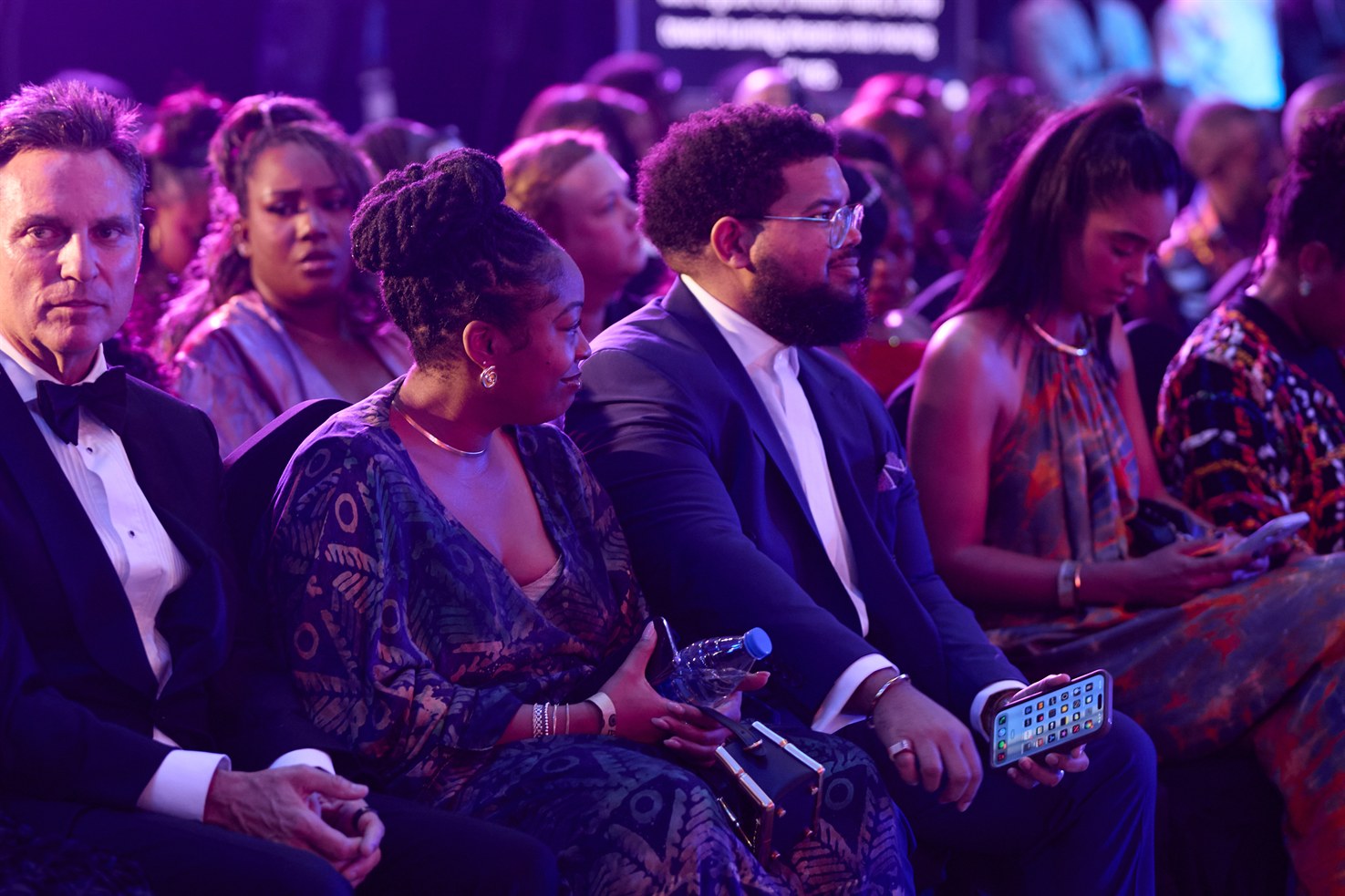
The 2026 editions of the Africa International Film Festival (AFRIFF) and Creative Africa Nexus Weekend (CANEX WKND) have come to a close in Lagos, following days of conversations about financing, collaboration and growing Africa’s creative industries.
Both events went beyond panel discussions, creating opportunities for filmmakers and other creative businesses to meet investors, distributors and potential partners. But now that they are over, an important question remains: what business was actually done?
At CANEX WKND, which ran from November 5 to 8, the African Export-Import Bank (Afreximbank) had set its sights on attracting more than $1 billion in business deals and investment commitments across Africa’s creative economy. According to Nairametrics, Afreximbank Executive Vice President Kanayo Awani announced the target during the event, expressing confidence that Lagos could surpass the approximately $540 million in deals facilitated at the previous edition in Algeria in 2024.
How Much Investment Was Announced at CANEX WKND 2026?
So far, publicly reported financing agreements from CANEX WKND amount to approximately $118 million. As BusinessDay reported, these include a $75 million financing facility involving Afreximbank and the Development Bank of Nigeria, alongside a $30 million financing arrangement and a $13 million grant involving Afreximbank, the Nigerian Export-Import Bank and the Small and Medium Enterprises Development Agency of Nigeria.
| Item | Amount | Status |
|---|---|---|
| Financing facility (Afreximbank and Development Bank of Nigeria) | $75 million | Announced |
| Financing arrangement (Afreximbank, Nigerian Export-Import Bank and Small and Medium Enterprises Development Agency of Nigeria) | $30 million | Announced |
| Grant (same parties) | $13 million | Announced |
| Publicly reported financing agreements | About $118 million | Announced |
| Proposed transactions discussed in deal rooms | More than $500 million | Under negotiation |
| Afreximbank’s target for the event | More than $1 billion | Target |
| Deals facilitated at CANEX WKND 2024 in Algeria | About $540 million | Reported |
Nigeria’s Minister of Industry, Trade and Investment, Jumoke Oduwole, also revealed that entrepreneurs were discussing proposed transactions worth more than $500 million in deal rooms organised with Afreximbank. However, these were still under negotiation, with no confirmation of how many would be completed.
The distinction matters. An agreement to provide financing does not necessarily mean the money has already been released, just as a proposed transaction does not guarantee that a deal will eventually be signed. It is also unclear how much of the announced financing is specifically intended for film and television, since CANEX supports several industries, including music, fashion, publishing and other creative businesses.
One confirmed film-related agreement was signed between CANEX Creations Incorporated, an Afreximbank-backed investment company, and Adonis Production for 77: The Festac Conspiracy, the upcoming sequel to 76. It is a direct investment commitment to a Nigerian film, although the amount and terms were not publicly disclosed. We covered the deal in Afreximbank Invests in Nigerian Film ‘77: The Festac Conspiracy’ Ahead of 2027 Release.
What Business Came Out of AFRIFF’s Film Market?
AFRIFF also placed considerable emphasis on the business of filmmaking through the second edition of its Africa Film & Content Market (AFCM), held from November 2 to 5. The market brought together producers, distributors, investors and companies interested in acquiring films, with programming on financing, co-productions, distribution and the opportunities for African films in international markets.
However, as of November 10, the market’s public news page does not provide a post-event account of completed investments, film acquisitions, distribution agreements or other transactions arising from the event.
That does not mean no deals were made. Some business arrangements take weeks or months to conclude, while others may remain private. Nevertheless, there is value in knowing how many projects secured potential buyers or investors, how many agreements were completed, and what opportunities emerged from the meetings.
Why Results Matter for African Filmmaking
Film festivals and creative markets play an important role in bringing people together, introducing projects to potential partners and opening doors that filmmakers might otherwise struggle to access. But for industries seeking more investment, better distribution and sustainable growth, the results of these gatherings matter just as much as the conversations.
A film that secures financing can move closer to production. A distribution agreement can help a completed film reach new audiences. And an investment in studios or production facilities can benefit several filmmakers over time. These are the outcomes that show how industry events contribute to growing the business of African cinema.
The agreements announced at CANEX WKND are a promising development, but more information is needed to understand how much of the investment will reach film and television businesses, and when the funds will become available. Similarly, a clearer account of AFCM’s business outcomes would help filmmakers understand what opportunities the market created and whether they are translating into tangible results.
As AFRIFF and CANEX look ahead to future editions, publishing these results could provide a useful measure of their progress. The conversations about Africa’s creative future are important. So are the partnerships they inspire. The next step is understanding what those partnerships actually deliver.
Share your take