‘On Becoming a Guinea Fowl’ and the Weight of What Goes Unsaid
A family funeral. Buried truths. And a silence that's almost louder than the truth itself. On Becoming a Guinea Fowl makes the ordinary deeply unsettling. Here's our review of Rungano Nyoni's film and why its most uncomfortable moments might be the ones that feel most familiar.
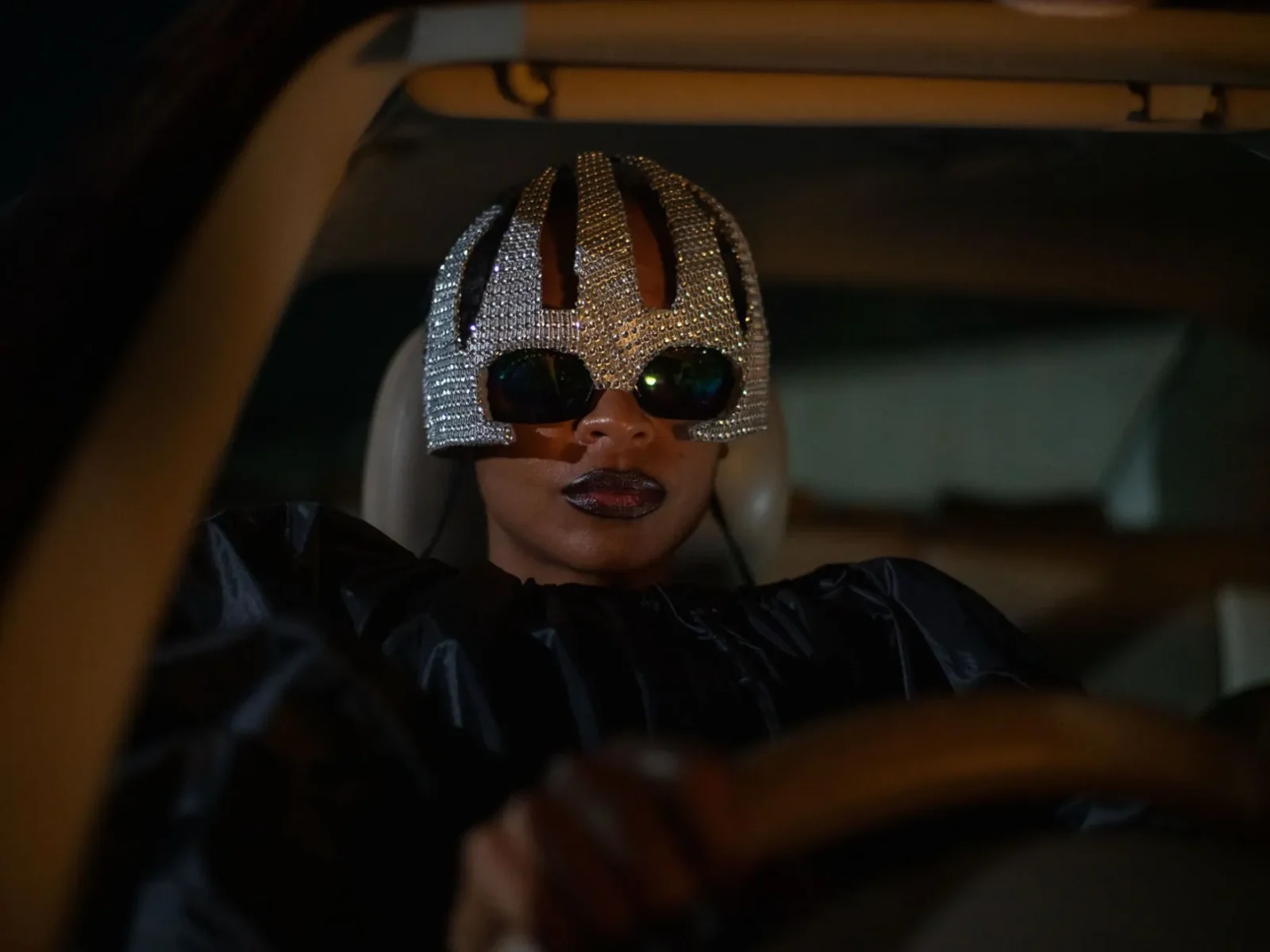
Guinea fowl
/ˈɡɪni faʊl/
A large, ground-dwelling bird native to Africa, known for its dark, grey-and-white speckled feathers and featherless head.
What does this bird have to do with a critically acclaimed film?
Well, bear with me.
When Shula discovers her uncle Fred’s body on the road, his death sets off a series of events that gradually reveal the uncomfortable truths beneath her family’s everyday routines. But as the funeral preparations begin, it becomes clear that Fred’s death is only part of a much bigger story: one about family, sexual abuse, and the silence that allows it to continue.
In this film, Writer-Director Rungano Nyoni explores how the family deals with the death of a not-so-great family member and the trauma that has been left behind. Nyoni does a good job of creating distinct characters who take on different roles within the story, showing the audience how the effects of trauma can show up differently through the lens of each character.
One example of this was how differently Shula and her cousin Nsansa respond to the world around them. Shula, played by Susan Chardy, is remarkably restrained. When she discovers her uncle’s body, she quietly returns to her car rather than reacting with the shock or distress you’d typically expect. Later, when she’s asked to describe what happened, she looks straight ahead before calmly lying on the ground. Chardy does a great job of using Shula’s stillness and flat delivery to communicate a character who is difficult to read. Sometimes, what makes her performance so effective is what she chooses not to do.
Nsansa, played by Elizabeth Chisela, is the opposite. She’s loud, expressive, and quick to fill uncomfortable moments with humour. When the two encounter Fred’s body, Nsansa tries to get Shula out of the car by dancing to Omah Lay’s Godly. These are hardly the reactions you’d expect in the circumstances, but that’s part of what makes the characters so interesting. As we learn more about their uncle and the kind of person he was, their seemingly absurd responses begin to take on a different meaning. Chisela and Chardy bring out these differences in a way that makes the two characters feel distinct.
The film is also effective in how it shows the dynamics within the family, especially the way the women are expected to keep everything running while the men are largely content to be served. During the funeral proceedings, the women handle the preparations and much of the emotional labour, while the men seem happy to sit back and receive the benefits. It’s a familiar imbalance, but Nyoni makes it difficult to ignore.
Shula’s relationship with her father is another example that highlights the complacent role of the men within their society. When she calls him after finding Fred’s body, he tells her to stay in the car and promises to come to her. He never shows up. Instead, he asks her for cab money. It’s a small moment, but it says a lot about their relationship. His words suggest a father who will be there for his daughter, but his actions tell a different story. As the film unfolds, Fred’s behaviour begins to look less like an isolated case and more like part of a wider environment in which men are rarely held accountable, even when the consequences of their actions are felt by everyone around them.
Beyond its characters, On Becoming a Guinea Fowl uses surreal imagery and sound to create an atmosphere that often feels somewhere between a dream and a memory. One recurring image is a children’s television programme about guinea fowl. It appears at different points in the film, sometimes leaving you wondering why it’s there at all. But Nyoni is deliberate about when she brings it back, allowing its significance to emerge gradually rather than explaining everything immediately. As the film reveals more about the bird and its place in the story, the image begins to feel connected to the characters and the world they inhabit.
The sound design is just as effective in elevating the tense environment of the film. When Bupe speaks about her past experiences with Uncle Fred, her voice continues to echo in Shula’s mind, sometimes blending into Shula’s own voice. It’s an unsettling choice that makes the distinction between their experiences feel less clear. It also suggests that even when something has been spoken aloud, it doesn’t simply go away. The past continues to intrude on the present, whether or not the people involved are ready to confront it.
And then there’s the silence. Perhaps the most frustrating thing about watching Shula’s family is how easily everyone overlooks Uncle Fred’s atrocities. People eat, conversations continue, and the funeral preparations go on, even as the truth about Fred hangs over everything. The sense that his behaviour has harmed others over time makes this normality even more uncomfortable. It’s not simply that people are refusing to talk. It’s that their silence allows them to keep participating in a family dynamic that has made room for his behaviour. Meanwhile, Shula’s growing discomfort makes her one of the few people who can no longer settle into that routine.
What makes this particularly effective is that the film doesn’t give us the comfort of a neat resolution. The anger that builds as we watch the family carry on doesn’t simply disappear by the end. And while I would have liked more time with certain character dynamics, particularly the contrast between Shula and Nsansa, I appreciate that Nyoni doesn’t rush to explain everything.
Still, On Becoming a Guinea Fowl is compelling because of how it tells its story as much as what it has to say. Its performances, surreal imagery, and careful use of sound all contribute to a film that makes the ordinary feel deeply unsettling. It asks us to look beyond what a family presents to the world and pay attention to what its members have learned to accept without question.
I’d recommend it to anyone who enjoys films that leave room for interpretation and use their stories to hold a mirror up to society. It may not give you all the answers, but it leaves you thinking about the things people learn to live with simply because they’ve always been there.
Guinea fowl
/ˈɡɪni faʊl/
A bird known for warning others when a predator is near.
To become a guinea fowl is to find your voice, not only for yourself, but for those who may not yet be able to use theirs.
Please share your take if you've watched On Becoming A Guinea Fowl. If you haven't, no rating needed — it helps keep the ratings honest for everyone.
Leave a review